
For my Women’s Health in the Community elective, I reached out to the organization Women Organized Against Rape (WOAR). WOAR provides counseling services, advocacy for victims of sexual violence, and educational programs to stop sexual and domestic violence and bullying. As a future gynecologist, I am aware of the dangers of intimate partner violence and sexual assault, and I wanted to better educate myself on the topic.
 Once I got in touch with Teresa White-Walston, Director of Educational Services, we discussed WOAR’s educational programs and how I could contribute. Teresa works closely with local schools, teaching teens about bullying, self-esteem and character building. She saw the need for sexual health education for her students, as many of them become involved in sexual activity before they are ready and, often, are misinformed by their peers on the topic.
 I developed a lecture geared toward middle school girls where I covered basic female reproductive anatomy, facts about teen sexual activity, sexually transmitted illnesses (STI) risks and the realities of teen pregnancy. Researching, alone, for this presentation was an eye-opening experience! Here are some interesting facts that stood out to me (AND my students):
-43% of teenage girls and 42% of teenage boy have had sexual intercourse, but only 33% are currently sexually active (CDC Youth Risk Behavior Survey)
-15-24 year olds account for only 25% of the sexually active population in US, but are nearly 50% of all new STI’s diagnosed annually (CDC)
-In 2009, more than 400,000 girls aged 15-19 years old gave birth (CDC)
-50% of teen moms have a high school diploma by age 22, compared to 90% of teenage girls who don’t give birth (CDC)
As I gave my lecture to classrooms of curious 6th, 7th, and 8th graders, I could see that many of the things I taught were completely new to them. First of all, most of the girls had no idea what body parts they had or what their proper names are. Secondly, my students were surprised to see that only 33% of teens are sexually active. Based on the media and schoolyard gossip, they thought the number was closer to 80 or 90-percent! I’m glad I could show them otherwise. The information I gave the students about STI’s seemed to hit the kids from left field. Sure, they’ve heard of HIV and how bad it is. But they didn’t know about all of the other STI’s or how many people have them. I shocked many when I informed them that some sexually-transmitted infections are life-long and could have serious consequences like cancer and infertility. As for the pregnancy part of the lecture, it seemed like each of the students knew someone who got pregnant and gave birth before she was ready. I ended each lecture with a discussion on the magnitude of engaging in sexual activity, the importance of waiting until one is ready, and what a responsible teenager should do when she is.
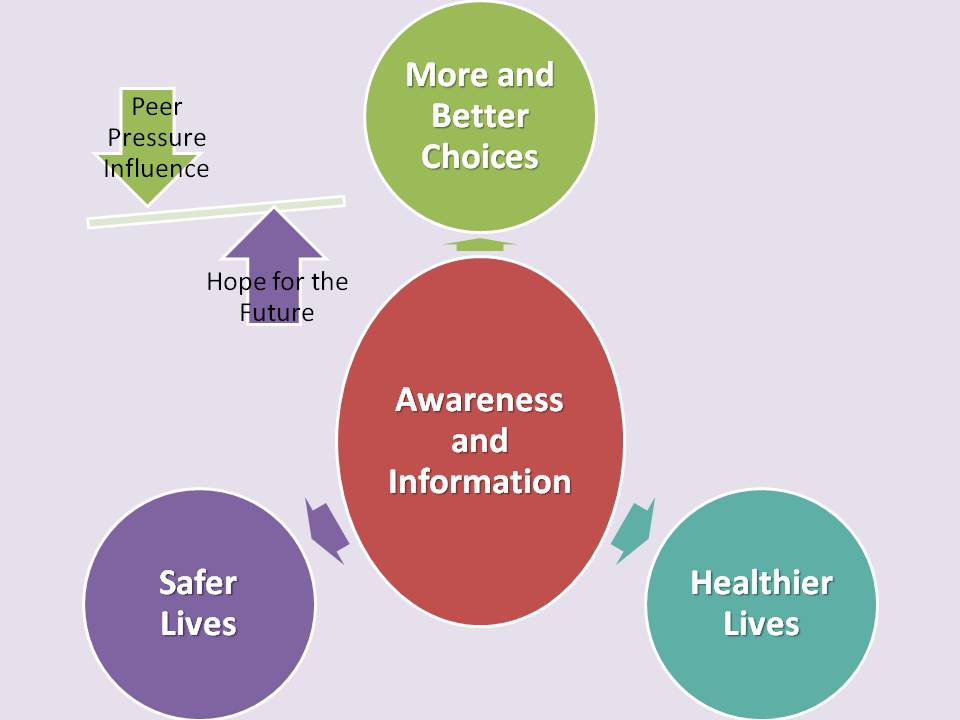
Teresa was terrific. In addition to teaching, she took the time to give me some training for crisis counseling. We discussed the issues surrounding sexual and domestic violence and how to empower victims. She even took me to the Philadelphia Sexual Assault Response Center, so that I could see where a rape victim is treated and what she must go through.
Unfortunately, my time with WOAR has come to an end. However, Teresa and the schools I visited would love to have more Drexel students come through and do similar work to what I had been doing. As medical students, we offer more medical information than Teresa and her volunteers can give to their students, and there is a great need for strong role models at these schools. Please consider working with WOAR either through a Women’s Health elective or as a volunteer. You will be able to reach out to many young girls who need your expertise, and you will probably learn a few things along the way as well. If you are interested, email WHEP at mnickens@drexelmed.edu. To learn more about WOAR, check out their website: www.woar.org.
Submitted by Jennifer Lee, Class of 2012

